

Coffeehouses as Centers of Political Dialogue
In the 17th and 18th centuries, coffeehouses in Europe were renowned for their role in fostering intellectual and political discussions. These establishments were often dubbed “penny universities” because, for the price of a cup of coffee, patrons could engage in stimulating conversations about politics, science, and society. When coffee culture crossed the Atlantic, it took root in American society and played a crucial role in shaping the young nation.
During the Revolutionary War era, coffeehouses in cities like Boston, Philadelphia, and New York became centres of revolutionary thought and planning. Key political figures, including the Founding Fathers, frequented these establishments to discuss strategies and draft plans that would eventually lead to American independence.

The Tontine Coffee House
One of the most notable examples is the Tontine Coffee House in New York City. Established in 1793, it served as a meeting place for merchants, politicians, and stockbrokers, and is often considered a precursor to the New York Stock Exchange. This coffeehouse exemplifies how coffee and politics have long shared a symbiotic relationship.
Coffee and Congress: A Modern-Day Connection
Fast forward to the present, and coffee remains an integral part of American political culture, particularly within the halls of Congress.
Fueling Lawmakers: The demanding schedules of senators and representatives often require long hours and late nights. Coffee serves as a vital source of energy, helping lawmakers stay alert and focused during marathon sessions.
Bipartisan Brews: Coffee also acts as a social lubricant in Congress, creating opportunities for bipartisan dialogue. Informal coffee meetings between lawmakers from opposing parties have facilitated discussions that might not happen in formal settings. For instance, the Congressional Coffee Caucus hosts events to bring members together over a shared love of coffee.
Coffee Diplomacy: Coffee is also used as a diplomatic tool. State delegations often showcase locally sourced coffee during events or as gifts to promote their state’s economy and culture. For example, Hawaii’s Kona coffee and Puerto Rico’s specialty coffee have been presented as symbols of pride.
The Economic Impact of Coffee on American Politics
The U.S. is one of the largest coffee consumers in the world, with Americans drinking over 400 million cups daily. This massive consumption has a ripple effect on the economy, influencing policy decisions in several ways:
The United States imports the majority of its coffee, primarily from countries in Latin America, Africa, and Asia. Trade policies affecting these regions can have significant implications for the coffee industry and American consumers.
Local coffee shops and roasters often advocate for policies that support small businesses. These establishments frequently host town hall meetings and community discussions, bridging the gap between politicians and constituents.
Coffeehouses: Modern-Day Civic Hubs
In the digital age, coffeehouses continue to serve as gathering places for civic engagement. They host everything from book readings and political debates to campaign fundraisers and voter registration drives. The casual environment fosters open dialogue, making them an invaluable asset to community building. Join the conversation today. Buy our coffee and be part of the movement shaping America’s future.
-
Busboys and Poets (Washington, D.C.): Known for its activism and political events, this coffeehouse is a favorite among policymakers, activists, and artists.
-
The Mudhouse (Virginia): Frequently hosts discussions on local politics and community issues.
Coffee Culture in Political Campaigns
Coffee has also become a staple in political campaigning. From grassroots organizers to presidential candidates, coffee plays a role in energizing both volunteers and voters.
The “Coffee with the Candidate” Approach
Many political campaigns organize coffee meet-and-greets to connect with voters in an informal setting. These events provide an opportunity for candidates to share their vision while enjoying a cup of coffee with constituents.
The Role of Coffee in Shaping Public Opinion
Beyond Congress and campaigns, coffee influences public opinion through media and pop culture. Political talk shows, podcasts, and morning news programs often pair serious discussions with coffee, creating an atmosphere of accessibility and relatability.
Iconic Moments:
-
Obama’s Coffee Meetings: Former President Barack Obama’s coffee shop visits during his campaigns emphasized his connection with everyday Americans.
-
Coffee and Late-Night Satire: Programs like "Saturday Night Live" and "The Daily Show" often use coffee as a prop to comment on political issues humorously.
Ethical and Environmental Considerations
As coffee continues to be a political and cultural staple, ethical sourcing and environmental sustainability have become pressing issues. Policymakers and consumers alike are advocating for:
-
Fair Trade Coffee: Ensuring that coffee farmers receive fair compensation.
-
Sustainable Practices: Promoting eco-friendly farming and packaging methods.
These initiatives highlight how coffee can be a catalyst for broader social and environmental change.
Conclusion
From its historical roots as a hub for revolutionary ideas to its modern-day role in Congress and beyond, coffee has proven to be more than just a beverage. It’s a cultural phenomenon that fuels not only individuals but also conversations, policies, and movements that shape the nation. So, the next time you sip your morning brew, remember its powerful connection to the fabric of American political life.
Call to Action
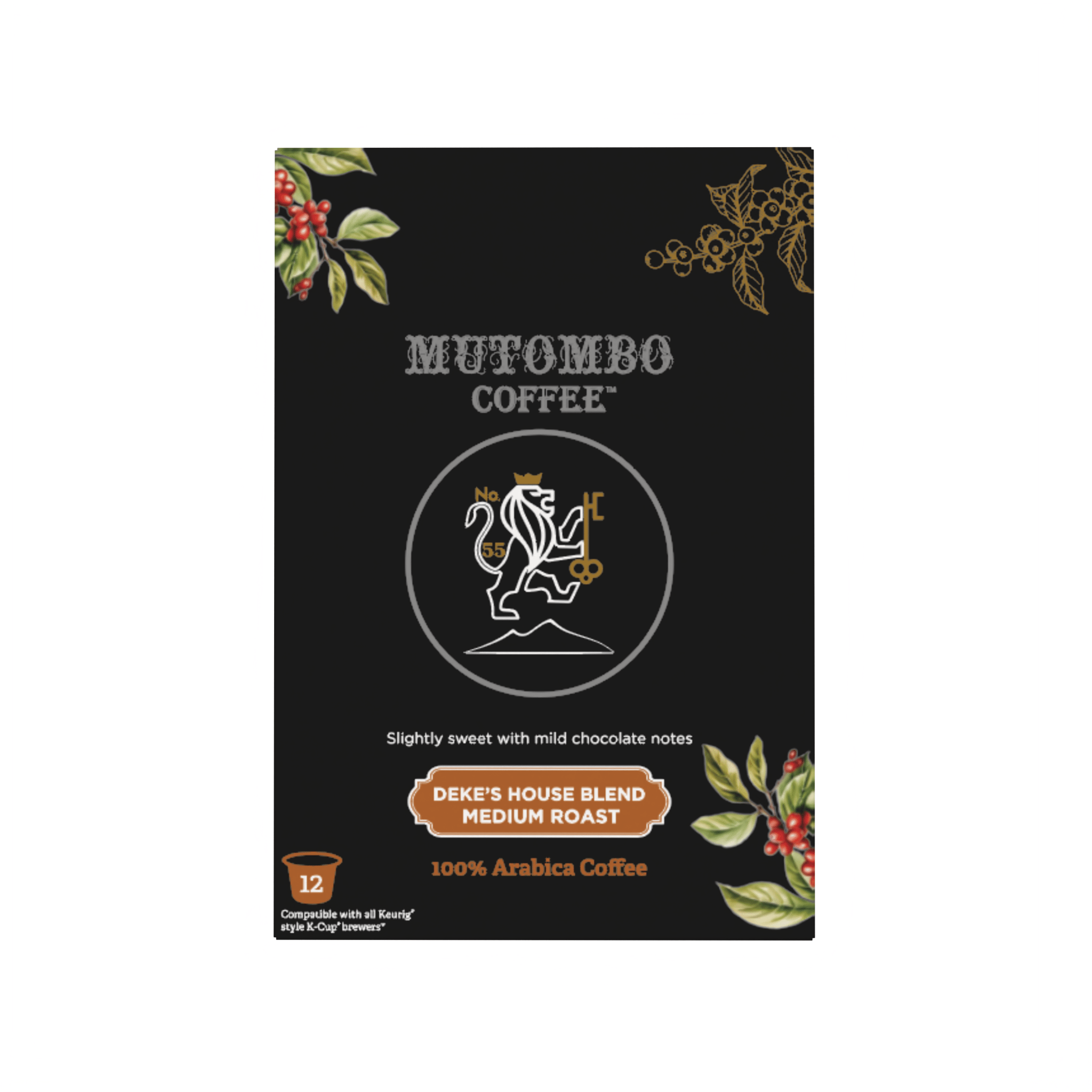
Join the conversation that has brewed through centuries with a cup of Mutombo Coffee. Whether you're discussing policies, planning campaigns, or simply sharing ideas, Mutombo Coffee provides the perfect companion for every dialogue.
Experience the rich, ethically sourced flavor of our premium coffee, designed to fuel connections and inspire change. Visit Mutombo Coffee today and be part of a legacy where coffee sparks conversations and shapes the future of American politics. Let's brew something great together!
References:
National Coffee Association USA: https://www.ncausa.org
Smithsonian Magazine on Coffeehouses: https://www.smithsonianmag.com
Library of Congress on Coffee’s Role in U.S. History: https://www.loc.gov/
Fair Trade USA: https://www.fairtradecertified.org/
The Congressional Coffee Caucus: https://www.house.gov/
https://www.history.com/news/coffee-history-facts
https://www.npr.org/sections/thesalt/2012/01/10/144988133/drink-coffee-off-with-your-head

